A ski vacation in North America has changed.
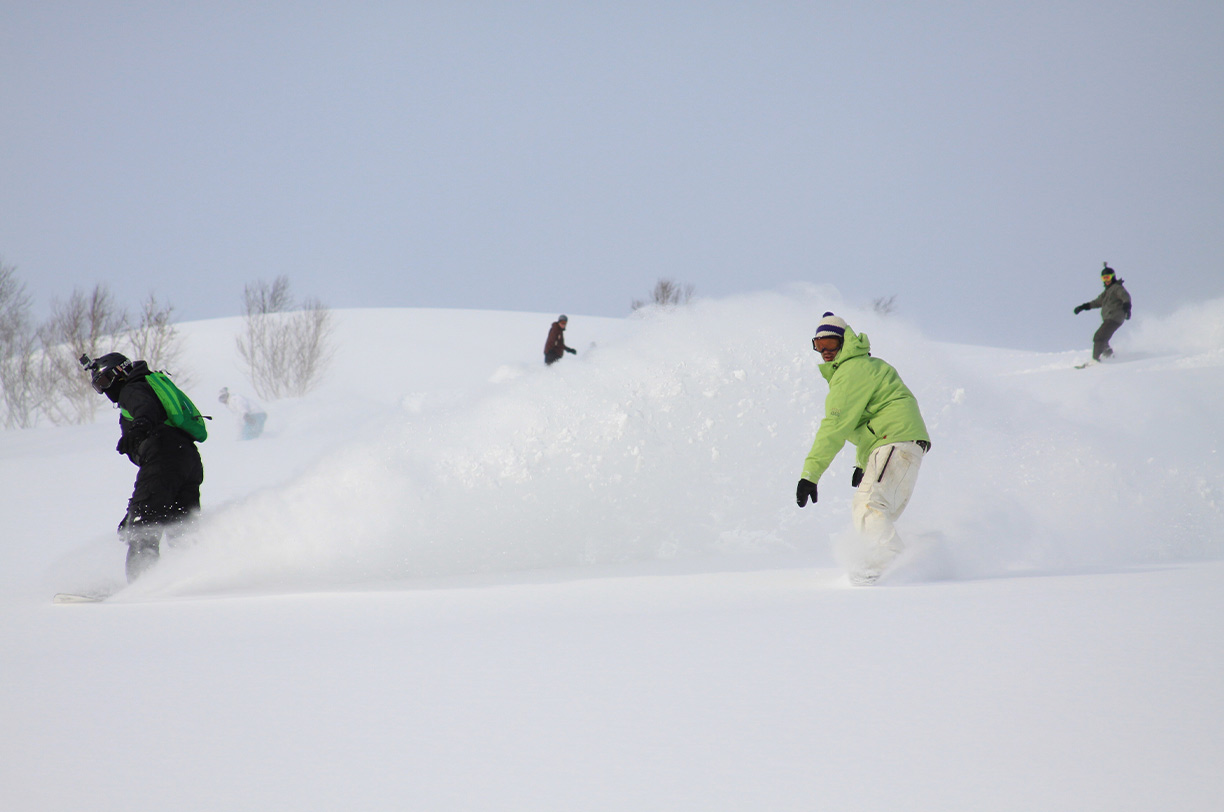
Lift ticket prices have climbed year after year, parking reservations have become common at many resorts, and the 2025–26 season left much of the western United States with below-average snow conditions. Meanwhile, Niseko once again delivered the powder it has become famous for, finishing the season with approximately 528 inches, or 44 feet, of snowfall by the end of the ski season in May, with fresh snow recorded on 80 days.
Combined with a strong US dollar, new direct flights to Hokkaido, and Ikon Pass access, the difference is becoming harder to ignore. For American skiers weighing where to spend their next winter vacation, Niseko offers reliable snow, considerably more value for the dollar, and a more accessible trip to Japan than many might expect.
Niseko’s reputation starts with its snowfall.
Cold Siberian air crosses the Sea of Japan before reaching Hokkaido, picking up moisture that falls as light, dry powder over Niseko’s mountains. Frequent winter storms keep the slopes refreshed throughout the season, creating the consistent conditions that have made “Japow” famous.
Snowfall varies every winter, as it does anywhere, but the 2025–26 season provides a particularly striking comparison. Niseko finished the season with approximately 44 feet of snow, considerably more than a number of major North American ski destinations:
Niseko — 528 in / 44 ft
Kirkwood — 319 in / 26.58 ft
Whistler — 302 in / 25.16 ft
Crystal Mountain — 285 in / 23.75 ft
Jackson Hole — 253 in / 21.08 ft
Alyeska — 213 in / 17.75 ft
Mt. Hood — 195 in / 16.33 ft
Northstar — 195 in / 16.33 ft
Park City — 171 in / 14.25 ft
Vail — 165 in / 13.75 ft
Source: BestSnow.net, Niseko United
For American skiers accustomed to planning an expensive winter trip months in advance, that consistency matters. No destination can guarantee powder on a particular day, but Niseko’s snowfall gives visitors a very different starting point when planning a ski vacation.
The difference becomes even clearer when looking at what it costs to actually get on the mountain.
The average daily US ski lift ticket for the 2025-26 season cost $198, or approximately ¥31,364. At the upper end of the market, prices climb considerably higher. Vail Resorts owns some of the largest and most popular ski areas in North America, and peak one-day lift pass pricing reached $356 at two of its resorts, with four others exceeding $300 and another four exceeding $200.
That is the price for one day of skiing.
By comparison, a five-day Niseko United All Mountain Pass costs ¥65,500, or $418.53. That pass provides five days of access across Niseko United, four resorts total, for only a little more than the cost of a single peak day at some major US resorts.
The exchange rate makes the comparison even more favorable for American travelers. Lift ticket prices in Niseko remain considerably lower than at many major US resorts, and the strength of the US dollar against the Japanese yen increases that difference further.
For skiers already holding an eligible Ikon Pass, the value improves further, with Niseko United included as part of the pass.
Full Ikon Pass: 7 days of skiing included at all 4 resorts of the Niseko United (Hirafu, Hanazono, Niseko Village and Annupuri)
Ikon Base Pass: 5 days of skiing included at all 4 resorts of the Niseko United (subject to late-December holiday blackout dates).
Lift tickets are only one part of a ski vacation, but they illustrate the broader difference particularly well. A trip to Japan may involve traveling farther, but once here, the combination of mountain access and a favorable exchange rate means a US travel budget can stretch mountains further than many first-time visitors expect.
Sources: StormSkiing, MaisonSport, HomeToGo
Traveling to Hokkaido looks different than it did just a few years ago.
Until this upcoming winter season, reaching Hokkaido from North America generally meant connecting through Tokyo, Osaka, or another major international airport before continuing to New Chitose Airport. Depending on the departure city, that could come after additional domestic connections within the US or Canada. For travelers choosing between a ski trip closer to home and a vacation in Japan, the additional travel involved was an obvious consideration.
New winter nonstop flights from San Francisco and Vancouver change that journey considerably, providing direct access from the West Coast to Hokkaido without an additional connection elsewhere in Japan or Asia.
Gateway
San Francisco: Nonstop to New Chitose Airport
Vancouver: Nonstop to New Chitose Airport
After arriving in Hokkaido, Niseko is approximately three to three and a half hours from New Chitose Airport, depending on the method of travel. Scheduled airport coaches and private transfers provide direct options to the resorts and accommodation, while rental cars offer additional flexibility. Train services also connect New Chitose Airport with the Niseko area.
Once in Niseko, navigating the area is relatively straightforward. Shuttle buses connect the four Niseko United resorts throughout the day, and English is widely spoken across the area during winter, including at accommodation, restaurants, rental shops, ski schools, and many other businesses serving international visitors.
Guests staying with MnK can leave much of the planning to our Guest Services team before they even arrive. We can arrange airport coaches and private transfers, rental vehicles, lift passes, ski and snowboard rentals, snowsports sessions, and a wide range of winter activities, reducing the amount of time visitors need to spend navigating an unfamiliar destination themselves.
For Americans considering their first ski trip to Japan, that makes an important difference. Niseko provides the experience of traveling halfway around the world to ski in Japan without requiring visitors to spend their vacation figuring everything out as they go.
Powder may be the reason many visitors first consider Niseko, but skiing is only part of the experience.
A day on the mountain can finish in a natural hot spring before heading out for ramen, sushi, fresh Hokkaido seafood, or wagyu. The experience outside the resort is distinctly Japanese, even as Niseko’s international winter community makes the destination approachable for first-time visitors to the country.
That combination is part of what separates Niseko from another trip to a North American ski resort. Traveling here is not simply about finding deeper snow or better value. It is an opportunity to make the ski trip itself part of a much larger experience of Japan.
For American skiers looking ahead to their next winter vacation, Niseko presents a compelling alternative to another season in North America. The snowfall remains among the destination’s biggest draws, while the current strength of the US dollar and the considerable difference in lift ticket pricing make the economics of the trip increasingly difficult to overlook.
Getting here has also become more straightforward, particularly with direct winter flights from North America to Hokkaido, while Niseko’s international infrastructure and services make the experience on the ground accessible even for first-time visitors to Japan.
The result is a ski vacation that offers more than a change of scenery: deep and consistent Hokkaido snow, more value from a US travel budget, and the opportunity to experience a winter in Japan at the same time.